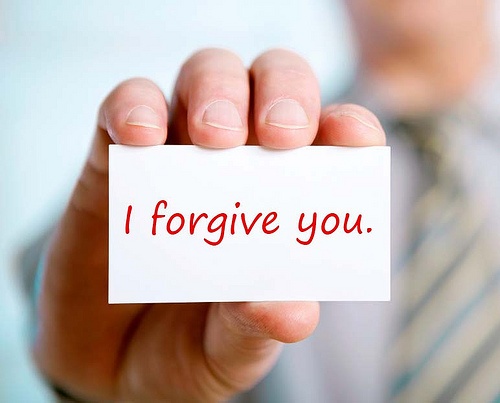
Forgiveness is one of the most powerful yet challenging tools for emotional healing. Holding onto anger, resentment, or grudges can negatively affect mental health, stress levels, and personal relationships. In 2026, with increased digital interactions, remote relationships, and heightened emotional sensitivity, learning the art of forgiveness is more important than ever.

Forgiveness is not about condoning wrong behavior or forgetting the past. It’s about releasing emotional burdens, reclaiming peace, and fostering healthier connections.
1. Why Forgiveness Matters
Forgiveness is beneficial on multiple levels:
- Emotional health: Reduces stress, anxiety, and depression
- Physical health: Lowers blood pressure and strengthens the immune system
- Mental clarity: Frees the mind from negative thoughts and rumination
- Relationship restoration: Helps rebuild trust and communication
- Personal growth: Encourages empathy, compassion, and emotional maturity
Forgiveness is a gift you give primarily to yourself, allowing freedom from the weight of resentment.
2. Forgiveness vs. Forgetting
Forgiveness does not mean:
- Forgetting the incident or pretending it didn’t happen
- Excusing harmful behavior
- Continuing to tolerate abuse
Forgiveness is a conscious choice to release negative emotions while protecting yourself. You can forgive and still maintain boundaries or distance from the person who hurt you.
3. Steps to Practice Forgiveness
Step 1: Acknowledge Your Pain
- Identify the hurt and the emotions it caused
- Accept that your feelings are valid
- Avoid suppressing anger, resentment, or sadness
Step 2: Reflect on the Bigger Picture
- Consider the circumstances that may have influenced the other person
- Recognize that everyone makes mistakes
- Shift perspective from blame to understanding
Step 3: Decide to Forgive
- Make a conscious decision to release resentment
- Forgiveness is an internal process, not dependent on others’ apology
- Understand that forgiveness benefits your emotional freedom
Step 4: Express Your Forgiveness
- Communicate it if appropriate: verbally, in writing, or through actions
- If direct communication isn’t possible, write a letter and keep it private
- Focus on releasing anger rather than seeking revenge
Step 5: Set Boundaries
- Forgiveness does not mean vulnerability to repeated harm
- Protect your emotional space with clear boundaries
- Rebuild trust slowly if desired
4. Forgiveness and Personal Growth
Practicing forgiveness strengthens emotional intelligence and resilience:
- Reduces emotional triggers over time
- Promotes empathy and understanding
- Improves problem-solving in relationships
- Increases patience and tolerance
- Encourages self-reflection and accountability
Forgiveness allows inner peace and fosters healthier decision-making in future relationships.
5. Forgiveness in Digital Relationships
Online interactions often exacerbate misunderstandings:
- Miscommunication via text or email
- Social media arguments or public disputes
- Ghosting or emotional neglect
Forgiveness in digital contexts involves:
- Letting go of online grudges
- Avoiding obsessive checking of others’ profiles
- Releasing resentment for past digital conflicts
- Choosing mindful communication rather than impulsive reactions
Digital forgiveness restores peace in both online and offline life.
6. Forgiving Yourself
Self-forgiveness is equally important:
- Accept mistakes as opportunities to learn
- Release guilt and self-blame
- Recognize growth and personal improvement
- Treat yourself with compassion and understanding
Forgiving yourself allows for authentic self-love and emotional healing, improving both personal and social well-being.
7. Maintaining the Practice of Forgiveness
- Reflect regularly on grudges and emotional burdens
- Journal about feelings and progress
- Practice mindfulness or meditation focused on compassion
- Celebrate small victories in emotional growth
- Encourage forgiveness as a lifestyle habit
Consistency turns forgiveness from a rare act into a habit of emotional freedom.
Final Thoughts
Forgiveness is a modern life skill for 2026 — essential for mental wellness, relationship health, and personal growth. By acknowledging pain, releasing resentment, and setting healthy boundaries, you can heal yourself and improve your connections. Forgiveness is not weakness — it is strength, clarity, and emotional liberation.
What To Explore Next:
- 7 Subtle Signs Of Manipulation & How To Protect Yourself

- Why Do I Get Attached So Fast to Someone I Barely Know? (Psychology Explained)

- Why You Want Clothes You Don’t Need | The Buying Psychology

- Chemistry Isn’t Compatibility (And Why Emotional Safety Isn’t Boring)

- Why Peaceful Love Feels Strange: Calm Relationships Take Time to Feel Right

- Love Deeply but Quietly: Why Strong Love Isn’t Always Loud

- How To Master Cost Per Wear Thinking: How Smart Buyers Make Better Purchases in 2026

- Only Want You When You’re Gone: Why Some People Desire You Too Late

- Replace or Keep Essentials: How to Decide When Items Have Earned Their Exit in 2026

- 14 Warning Signs People Ignore Because of Attraction | Romantic Red Flags

- Wants Something Serious: How to Tell If Someone Is Truly Interested in 2026

- Build a Personal Uniform: How to Create a Signature Style in 2026 Without Repetition

- Build Chemistry Without Rushing Intimacy: A Healthy Dating Guide for 2026

- Flirt Naturally: How Men and Women Can Show Attraction Without Being Cringe in 2026

- How To Choose the Perfect Essential T-Shirt: Fit, Fabric, and Smart Buying in 2026

- Dating Advice Men and Women Wish the Other Knew (Honest Relationship Insights)

- Foundation Wardrobe: Why Fewer Pieces Create Stronger Style in 2026

- Streetwear Wardrobe Essentials: A Capsule Guide to Intentional Style in 2026

- Top 5 Best Email Marketing Tools for 2026: Features, Pros, & Cons

- Spot Crypto Scams: How to Protect Your Money Like a Pro in 2026

- The Dark Psychology of Brands People Trust Without Knowing Why

- Emotional Safety Creates Attraction: Why It Matters More Than Looks

- Why Peace Feels Boring After Chaos | The Psychology of Emotional Addiction

- How to Flip Small Crypto Investments Into Big Gains in 2026 (Without Taking Dangerous Risks)

- Romantic Things That Mean More Than Grand Gestures in 2026 and Beyond

- Why Silence Is Perceived as Power | Psychology Explained

- Automate Crypto Trading: Beginner-Friendly Bots, AI Tools, and Smart Strategies for 2026

- Why Most Wardrobes Fail at the Middle Layer in 2026 (And How to Fix It)

- How to Be a Better Partner Without Losing Yourself: A Healthy Relationship Guide for 2026

- Simple Business Systems That Save Time and Increase Revenue

- How to Build Authority Without Saying You’re an Expert

- Provide Liquidity in De-Fi: A Step-by-Step Guide to Maximum Rewards in 2026

- Signs a Relationship Is Healthy: 15 Clear Indicators Even When It’s Not Perfect

- How to Get Consistent Website Traffic Without Paid Ads: Proven Strategies for 2026

- How to Start Trading Crypto Safely: A Step-by-Step Beginner’s Guide for 2026

- Dark Psychology in Relationships: How Hidden Influence Shapes Attraction and Power

- Green Flags in Dating: The Signs That Matter More Than Red Flags in 2026

- Build a Profitable Online Business: A Practical Step-by-Step Guide for 2026

- Master Dollar-Cost Averaging: A 2026 Guide to Building Long-Term Wealth

- Build Emotional Intimacy: How to Deepen Connection Without Rushing a Relationship

- Predictable Income vs Big Wins: Why Consistency Beats Luck in 2026

- Automated Savings System: A Step-by-Step Guide to Building One in 2026

- Write Trustworthy Reviews: How to Earn Real Credibility and Trust in 2026

- Analyze Crypto Coins Before Investing: Fundamental and Technical Guide for 2026

- Falling in Love or Just Attached? How to Tell the Difference Clearly

- Execution Over Inspiration: How Top Professionals Actually Work in 2026

- Quiet Affiliate Marketing: How to Build Trust and Conversions in 2026

- Romantic Habits That Strengthen Relationships Over Time (What Actually Works)

- Crypto Lending and Borrowing Safely: A Step-by-Step Guide for 2026

- Signs Someone Is Falling for You: How to Tell Without Them Saying It

- Workflows That Don’t Depend on Motivation: How to Work Consistently in 2026

- How Human Influence Shapes Decisions Without People Realizing It

- Use DeFi Yield Farming Safely: A Step-by-Step Guide for 2026

- Relationship Green Flags: Small Signs Someone Will Treat You Well

- How To Build Simple Systems That Scale Without Complexity in 2026

- How Human Influence Shapes Decisions | Psychology Explained

- How to Start Crypto Margin Trading Safely in 2026 (Step-by-Step Guide)

- ❤️ 10 Modern Dating Rules That Actually Make Sense in 2026
- Why Manipulators Target Empathetic People | Psychology Guide

- Doing Less, Finishing More Productivity Advantage in 2026

- Healthy Romance After Toxic Relationships: How to Trust Love Again

- How to Build a Balanced Crypto Portfolio in 2026 (Beginner’s Step-by-Step Guide)

- Streetwear Fit and Silhouettes: Why Shape Matters More Than Logos in 2026

- Brands That Don’t Chase Attention: Why Consumers Trust Them in 2026

Leave a Reply