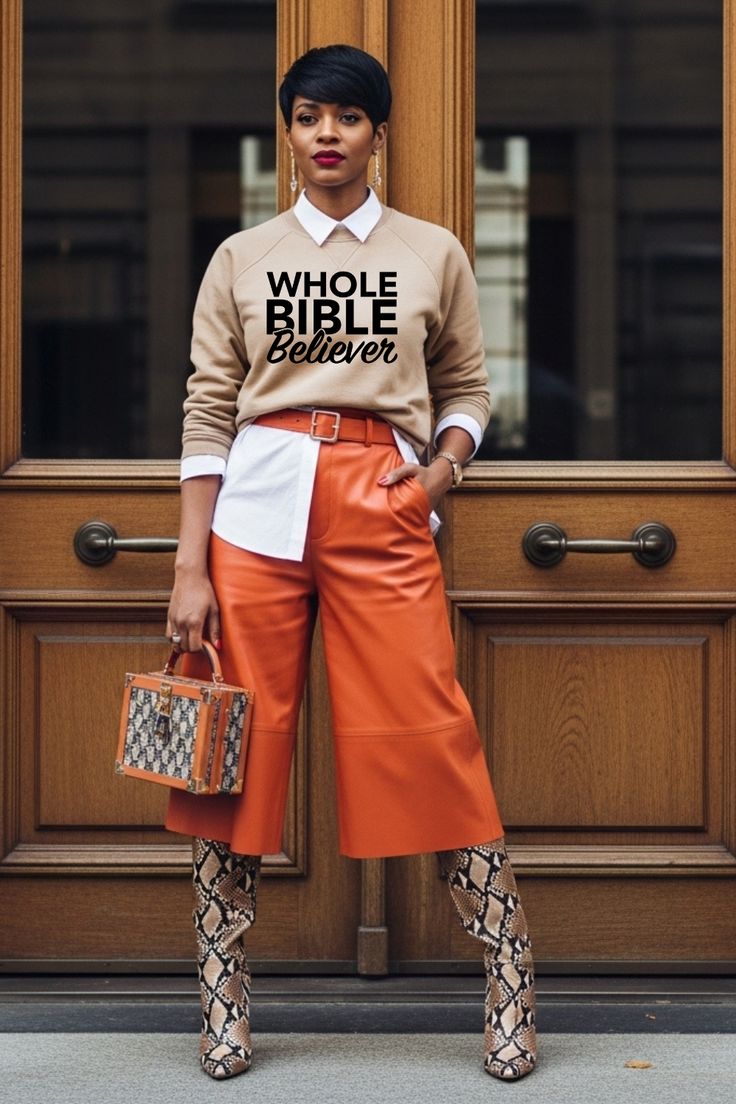
The Layer That Quietly Breaks Everything
If outfits feel unfinished, awkward, or overly dependent on outerwear, the issue is rarely the basics.
It’s the middle layer.
In 2026, wardrobes don’t fail because of bad T-shirts or weak jackets. They fail because the pieces in between lack clarity, consistency, and purpose.
The middle layer is where most people improvise. Improvisation compounds into instability.
1. What the Middle Layer Actually Is
The middle layer lives between base and outer layers.
It includes:
• Hoodies
• Crewnecks
• Light sweaters
• Zip layers
• Overshirts
These pieces determine how outfits feel indoors, how they transition between spaces, and whether style holds without a coat.
They are worn often and noticed subconsciously.
2. Why the Middle Layer Gets Ignored
Most people shop extremes.
They invest in:
• Basics because they’re cheap
• Outerwear because it’s visible
The middle layer feels optional.
It isn’t.
Neglect here causes outfits to collapse the moment outerwear comes off.
-> Strengthen the layer you live in.
3. The Three Ways Middle Layers Fail
a. Inconsistent Silhouettes
Random fits create visual conflict.
A tight hoodie under a relaxed jacket.
An oversized layer over a slim base.
When silhouettes argue, the outfit feels unresolved.
Middle layers should echo, not compete.
b. Weak Fabric Structure
Soft, thin fabrics lose shape quickly.
Middle layers need enough weight to:
• Hold form
• Anchor layers above and below
• Maintain presence indoors
Without structure, they behave like temporary fillers.
c. Overbranding
Logos turn middle layers into statements.
Statements age fast and limit versatility.
In 2026, the strongest middle layers are quiet, neutral, and repeatable.
They support identity rather than announce it.
4. Why the Middle Layer Carries the Most Psychological Weight
Middle layers are worn during real life.
• Meetings
• Errands
• Travel
• Daily routines
They’re what people see when effort fades.
That’s why inconsistency here creates discomfort. The clothes don’t align with how the wearer moves through the day.
Strong middle layers create calm.
-> Let structure replace improvisation.
5. The Role-Based Approach to Middle Layers
Instead of trends, middle layers should be chosen by function.
a. The Anchor Layer
The piece you wear most often indoors.
• Neutral
• Structured
• Comfortable
This becomes the backbone of daily outfits.
b. The Transitional Layer
For movement between temperatures and spaces.
• Zip hoodies
• Light knits
• Overshirts
It should layer cleanly without distortion.
c. The Reinforcement Layer
Worn when extra presence is needed.
• Heavier hoodies
• Structured crews
Not loud. Just solid.
6. Color Discipline in the Middle Layer
Middle layers work best when color ranges are limited.
In 2026, effective palettes include:
• Black, charcoal, stone
• Muted earth tones
• One personal accent at most
This allows rotation without visual fatigue.
Consistency here stabilizes the entire wardrobe.
7. Why Buying Fewer Middle Layers Works Better
Middle layers repeat frequently.
That repetition exposes flaws quickly.
It’s better to own:
• Two excellent middle layers
• Than five forgettable ones
Quality here compounds daily.
Some people even keep subtle reminders of this discipline close, not as decoration, but as reinforcement of intentional choice.
-> Build stability where it’s worn most.
8. How to Audit Your Middle Layer
Do this once and shopping behavior changes.
Ask:
• Which layer do I wear most indoors?
• Which one do I avoid unless necessary?
• Which one feels like “me” without effort?
Remove the rest mentally, even if you keep them physically for now.
Your instincts already know the answer.
9. Fixing the Middle Layer Without Rebuilding Everything
You don’t need a reset.
You need alignment.
Upgrade one middle layer that:
• Matches your core silhouette
• Fits your color system
• Holds structure over time
Once one piece works, the rest become easier to evaluate.
10. The 2026 Standard
Middle layers should disappear into your life.
They shouldn’t demand explanation.
They shouldn’t require styling tricks.
They should simply work.
When the middle layer is stable, outfits stop collapsing and style becomes automatic.
What To Explore Next:
- 7 Subtle Signs Of Manipulation & How To Protect Yourself

- Why Do I Get Attached So Fast to Someone I Barely Know? (Psychology Explained)

- Why You Want Clothes You Don’t Need | The Buying Psychology

- Chemistry Isn’t Compatibility (And Why Emotional Safety Isn’t Boring)

- Why Peaceful Love Feels Strange: Calm Relationships Take Time to Feel Right

- Love Deeply but Quietly: Why Strong Love Isn’t Always Loud

- How To Master Cost Per Wear Thinking: How Smart Buyers Make Better Purchases in 2026

- Only Want You When You’re Gone: Why Some People Desire You Too Late

- Replace or Keep Essentials: How to Decide When Items Have Earned Their Exit in 2026

- 14 Warning Signs People Ignore Because of Attraction | Romantic Red Flags

- Wants Something Serious: How to Tell If Someone Is Truly Interested in 2026

- Build a Personal Uniform: How to Create a Signature Style in 2026 Without Repetition

- Build Chemistry Without Rushing Intimacy: A Healthy Dating Guide for 2026

- Flirt Naturally: How Men and Women Can Show Attraction Without Being Cringe in 2026

- How To Choose the Perfect Essential T-Shirt: Fit, Fabric, and Smart Buying in 2026

- Dating Advice Men and Women Wish the Other Knew (Honest Relationship Insights)

- Foundation Wardrobe: Why Fewer Pieces Create Stronger Style in 2026

- Streetwear Wardrobe Essentials: A Capsule Guide to Intentional Style in 2026

- Top 5 Best Email Marketing Tools for 2026: Features, Pros, & Cons

Leave a Reply