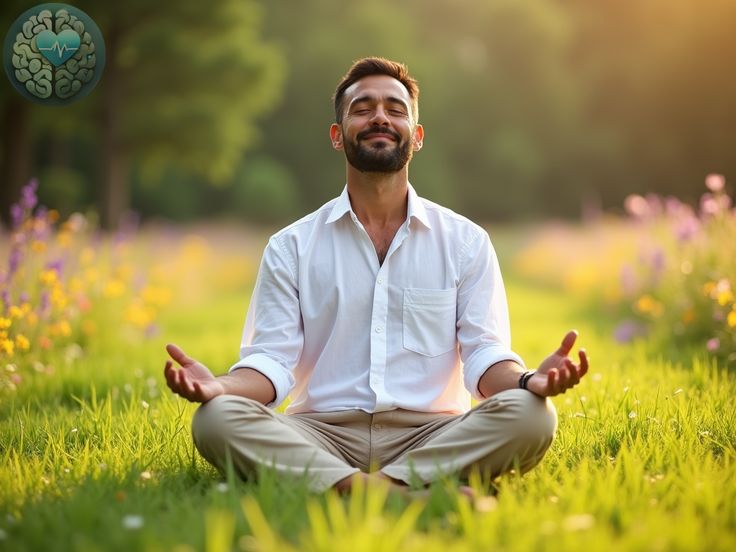
Life in 2026 moves faster than ever. We’re constantly connected, endlessly multitasking, and bombarded with notifications from the moment we wake up. It’s no wonder many people feel overwhelmed, burnt out, or disconnected from themselves.

This is where the slow living lifestyle comes in — a refreshing, intentional way of life that focuses on what matters most: presence, peace, joy, and simplicity. Slow living isn’t about doing everything slowly. It’s about choosing intentionally instead of rushing mindlessly. It’s about removing unnecessary chaos so you can actually enjoy life again.
This article explores what slow living truly means in 2026, the benefits it brings, and practical ways to start incorporating it into your daily routine.
1. What Slow Living Really Means (and What It’s Not)
Slow living is often misunderstood. It’s not about being lazy, unproductive, or living off-grid. Instead, it’s about:
- Doing fewer things, but doing them well
- Living in alignment with your values
- Being present instead of rushing
- Reducing unnecessary stressors
- Creating space for joy, rest, and meaning
It’s a lifestyle that helps you breathe again.
In a world obsessed with speed, slow living is a form of self-care, self-respect, and emotional grounding.
2. Why Slow Living Matters More Than Ever in 2026
Technology has made life more convenient — but also more demanding. We’re reachable 24/7, flooded with content, and constantly comparing ourselves to others. Many people today experience:
- Anxiety
- Burnout
- Low emotional energy
- Poor sleep
- Overthinking
- Difficulty staying present
Slow living allows you to reset your nervous system, improve your mental health, and feel more in control of your life instead of being controlled by chaos.
By slowing down, you create room for clarity, creativity, deeper relationships, and peace.
3. Simplify Your Daily Routines
Slow living begins with small, intentional changes.
✔ Morning Routine That Sets the Tone
Instead of waking up and grabbing your phone, try:
- Stretching
- Light breathing
- Drinking water
- Gratitude journaling
- A calm breakfast
These simple acts reduce stress and prevent the “rushed morning spiral.”
✔ Reduce Decision Fatigue
Wear simple outfits. Prep meals the night before. Create weekly schedules.
Simplicity gives your mind more room to rest.
4. Declutter Your Physical Space for Mental Clarity
Your environment affects your emotions. A cluttered home often leads to a cluttered mind.
Try:
- Removing things you don’t use
- Organizing by category
- Keeping surfaces clean
- Buying intentionally, not impulsively
- Choosing calming décor
Creating a peaceful environment helps your mind relax the moment you walk in.
5. Practice Digital Minimalism
Technology is useful — but overuse drains mental energy.
Set boundaries:
- No phones during meals
- Silent mode after a certain hour
- Social media-free weekends
- Limit notifications
- Keep only essential apps
Your brain needs quiet time. Digital minimalism helps you reclaim it.
6. Learn To Say “No” Without Guilt
Busyness is not a badge of honor. It’s okay to decline:
- Events
- Extra tasks
- Unnecessary obligations
- Emotional labor
Saying no is an act of self-preservation.
It keeps your energy for things that truly matter.
7. Create Intentional Rituals That Bring Peace
Rituals make life richer and calmer.
Try:
- Evening tea
- Reading before bed
- Short daily walks
- Sunday resets
- Quiet journaling sessions
- Weekly family dinner
These grounding habits give your mind something predictable and soothing.
8. Nurture Relationships Slowly & Meaningfully
Slow living improves how you connect with others.
Instead of rushed conversations, try deep listening.
Spend time with people who energize you. Create quality moments — not rushed ones.
A slow living lifestyle strengthens emotional bonds and reduces relationship stress.
9. Embrace Joy in Small, Simple Moments
The heart of slow living is appreciating the present moment.
- A quiet sunset
- Cooking a meal
- Laughing with loved ones
- A warm shower
- A peaceful cup of tea
Life is made of small moments — not big achievements.
Slow living teaches you to notice and enjoy them.
Final Thoughts
Slow living is not a trend — it’s a lifestyle transformation that helps you reconnect with yourself and your purpose. By simplifying your routines, reducing digital noise, decluttering your space, and changing your mindset, you create a more peaceful, meaningful life.
In 2026, slowing down is not falling behind — it’s choosing a life that feels good.
What To Explore Next:
- 7 Subtle Signs Of Manipulation & How To Protect Yourself

- Why Do I Get Attached So Fast to Someone I Barely Know? (Psychology Explained)

- Why You Want Clothes You Don’t Need | The Buying Psychology

- Chemistry Isn’t Compatibility (And Why Emotional Safety Isn’t Boring)

- Why Peaceful Love Feels Strange: Calm Relationships Take Time to Feel Right

- Love Deeply but Quietly: Why Strong Love Isn’t Always Loud

- How To Master Cost Per Wear Thinking: How Smart Buyers Make Better Purchases in 2026

- Only Want You When You’re Gone: Why Some People Desire You Too Late

- Replace or Keep Essentials: How to Decide When Items Have Earned Their Exit in 2026

- 14 Warning Signs People Ignore Because of Attraction | Romantic Red Flags

- Wants Something Serious: How to Tell If Someone Is Truly Interested in 2026

- Build a Personal Uniform: How to Create a Signature Style in 2026 Without Repetition

- Build Chemistry Without Rushing Intimacy: A Healthy Dating Guide for 2026

- Flirt Naturally: How Men and Women Can Show Attraction Without Being Cringe in 2026

- How To Choose the Perfect Essential T-Shirt: Fit, Fabric, and Smart Buying in 2026

- Dating Advice Men and Women Wish the Other Knew (Honest Relationship Insights)

- Foundation Wardrobe: Why Fewer Pieces Create Stronger Style in 2026

- Streetwear Wardrobe Essentials: A Capsule Guide to Intentional Style in 2026

- Top 5 Best Email Marketing Tools for 2026: Features, Pros, & Cons

- Spot Crypto Scams: How to Protect Your Money Like a Pro in 2026

- The Dark Psychology of Brands People Trust Without Knowing Why

- Emotional Safety Creates Attraction: Why It Matters More Than Looks

- Why Peace Feels Boring After Chaos | The Psychology of Emotional Addiction

- How to Flip Small Crypto Investments Into Big Gains in 2026 (Without Taking Dangerous Risks)

- Romantic Things That Mean More Than Grand Gestures in 2026 and Beyond

- Why Silence Is Perceived as Power | Psychology Explained

- Automate Crypto Trading: Beginner-Friendly Bots, AI Tools, and Smart Strategies for 2026

- Why Most Wardrobes Fail at the Middle Layer in 2026 (And How to Fix It)

- How to Be a Better Partner Without Losing Yourself: A Healthy Relationship Guide for 2026

- Simple Business Systems That Save Time and Increase Revenue

- How to Build Authority Without Saying You’re an Expert

- Provide Liquidity in De-Fi: A Step-by-Step Guide to Maximum Rewards in 2026

- Signs a Relationship Is Healthy: 15 Clear Indicators Even When It’s Not Perfect

- How to Get Consistent Website Traffic Without Paid Ads: Proven Strategies for 2026

- How to Start Trading Crypto Safely: A Step-by-Step Beginner’s Guide for 2026

- Dark Psychology in Relationships: How Hidden Influence Shapes Attraction and Power

- Green Flags in Dating: The Signs That Matter More Than Red Flags in 2026

- Build a Profitable Online Business: A Practical Step-by-Step Guide for 2026

- Master Dollar-Cost Averaging: A 2026 Guide to Building Long-Term Wealth

- Build Emotional Intimacy: How to Deepen Connection Without Rushing a Relationship

- Predictable Income vs Big Wins: Why Consistency Beats Luck in 2026

- Automated Savings System: A Step-by-Step Guide to Building One in 2026

Leave a Reply