Category: 🧠 Psychology & Dark Psychology
Every reaction, attraction, decision, silence, obsession, and emotional response follows an internal logic—often unconscious, often learned, and sometimes deliberately exploited. The Psychology & Dark Psychology section of The Digital Cove exists to explore exactly that: how the human mind works, why people behave the way they do, and how influence operates beneath the surface of everyday interactions.
-
The dark psychology of brand trust explains something most marketers sense but rarely say out loud: people don’t trust brands because of logic. They trust them because of how those brands make their nervous system feel. Consumers will swear loyalty to companies they can’t fully explain, defend price points they’d normally reject, and forgive mistakes…
-
Why peace feels boring after chaos is one of the most quietly destructive patterns in modern relationships and lifestyles. Many people leave emotionally intense situations only to feel restless, disconnected, or strangely empty once calm arrives. Psychology doesn’t interpret this as failure. It explains it as conditioning. When the nervous system adapts to volatility, peace…
-

Why silence is perceived as power is one of the most unsettling truths in psychology—and one of the most misunderstood. Silence isn’t passive. It isn’t empty. It’s interpreted by the human mind as restraint, confidence, and control. In a world that rewards noise, explanation, and constant signaling, silence feels disruptive. Psychology explains why: when information…
-
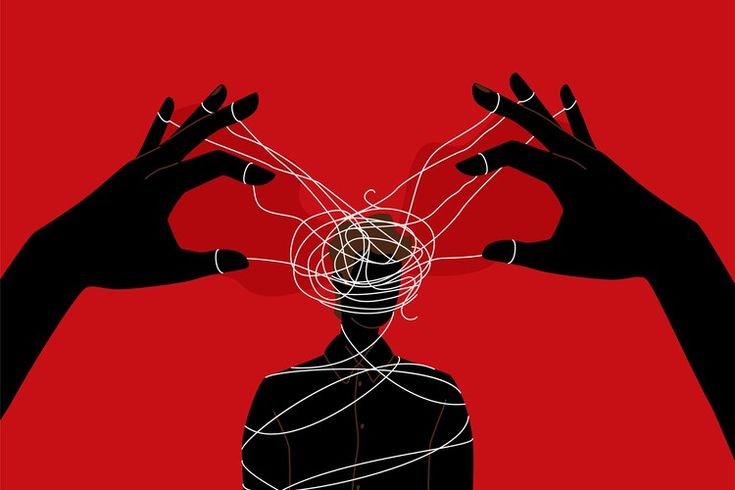
Dark psychology in relationships isn’t about villains or manipulation manuals—it’s about understanding how influence actually works when emotions, attachment, and desire are involved. Whether we admit it or not, every connection runs on cognitive patterns, emotional triggers, and subtle behavioral cues. Psychology shows us why we feel pulled toward certain people; dark psychology exposes how…
-

Human beings like to believe their decisions are independent, rational, and self-directed. We tell ourselves we choose freely, think logically, and act intentionally. Yet psychology consistently reveals a quieter truth: much of human decision-making is shaped by influence operating below conscious awareness. Understanding how human influence shapes decisions without people realizing it is not about…
-

Human beings like to believe their decisions are independent, rational, and self-directed. We tell ourselves we choose freely, think logically, and act intentionally. Yet psychology consistently reveals a quieter truth: much of human decision-making is shaped by influence operating below conscious awareness. Understanding how human influence shapes decisions without people realizing it is not about…
-

Why manipulators target empathetic people is a question many compassionate, emotionally intelligent individuals ask only after experiencing confusion, exhaustion, or self-doubt in relationships. Empathy, often viewed️—considered a strength—is frequently misunderstood as vulnerability. In reality, empathy is powerful. What makes empathetic people attractive to manipulators is not weakness, but emotional openness combined with responsibility. Empathetic individuals…
-
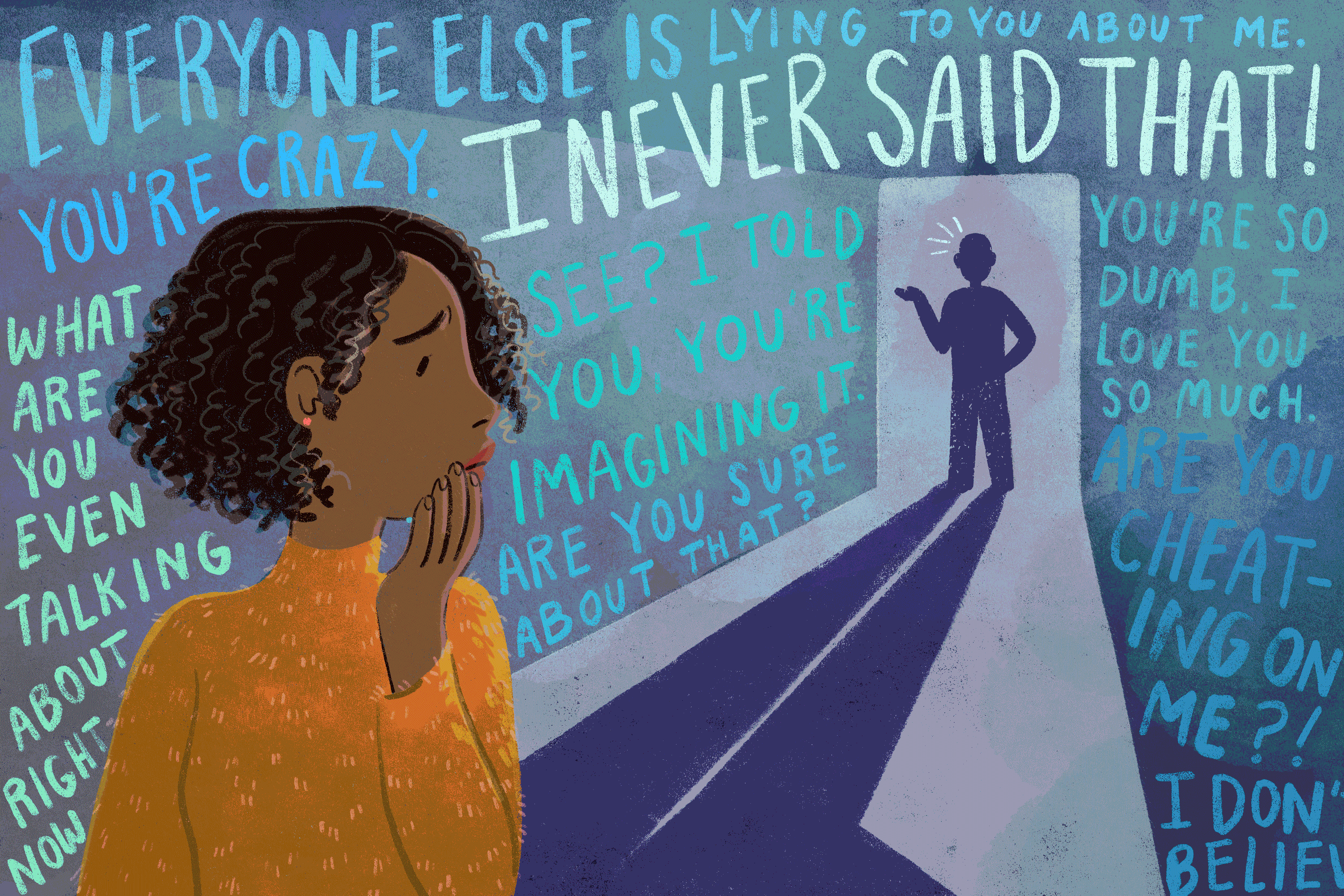
Gaslighting is one of the most insidious forms of psychological manipulation. Unlike overt manipulation, which is obvious and confrontational, gaslighting works by subtly distorting reality. The target begins to doubt their own perception, memory, or judgment. Over time, this creates dependence on the manipulator and erodes self-trust. The term “gaslighting” comes from the 1944 film…
-

Psychological control through fear, obligation, and guilt is one of the most common—and least recognized—forms of manipulation in human relationships. Unlike overt control, these tactics rarely involve threats or commands. Instead, they operate quietly through emotional pressure that feels internal, personal, and difficult to challenge. Many people subjected to this type of control do not…
-

Power and dominance dynamics in relationships shape how people connect, communicate, and maintain emotional safety—often without being consciously acknowledged. These dynamics are not limited to extreme situations. They appear in everyday interactions, long-term partnerships, families, workplaces, and social groups. Power itself is not inherently harmful. Influence exists in all relationships. Problems arise when power becomes…
-

Emotional manipulation tactics are rarely obvious, loud, or aggressive. They are often quiet, subtle, and emotionally confusing. Many people experience emotional manipulation without realizing it is happening, only sensing that something feels “off.” Over time, this confusion can lead to self-doubt, emotional exhaustion, and a gradual loss of clarity. Understanding emotional manipulation tactics and how…
-

Dark psychology and manipulation awareness exist for one reason: understanding power where it operates quietly. Most manipulation does not look aggressive, dramatic, or obvious. It often appears subtle, reasonable, even caring on the surface. That is what makes it effective. Many people sense manipulation only after the damage has been done. They feel confused, emotionally…
-
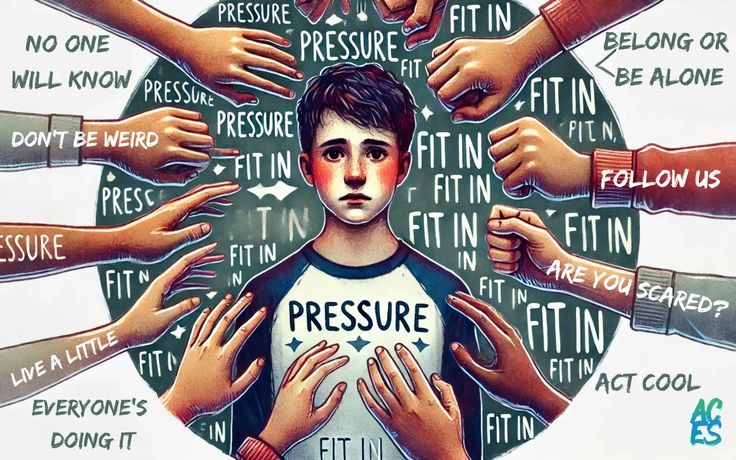
Social conditioning shapes human behavior long before people realize it is happening. From early childhood to adulthood, individuals absorb cues from their environment that influence how they think, feel, and act. These cues quietly form beliefs, habits, values, and expectations—often without conscious awareness. Understanding social conditioning and how environment shapes behavior is essential for anyone…
-

The psychology of attention, trust, and persuasion shapes nearly every interaction people experience—often without them realizing it. What individuals pay attention to, who they trust, and what persuades them are not random outcomes. They are driven by deep psychological mechanisms designed to conserve energy, maintain safety, and make sense of an overwhelming world. In an…
-
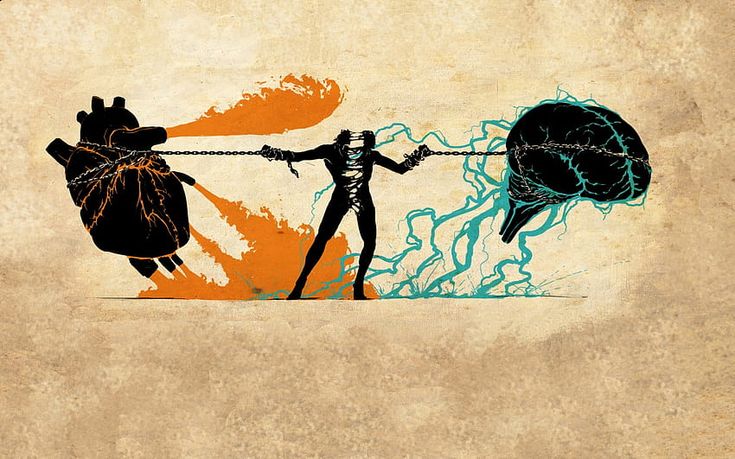
Emotion vs logic decision making is rarely as rational as people believe. Most choices begin with emotion, while logic often follows later to explain or justify what already feels right or wrong. Understanding how emotion and logic interact reveals why people make decisions that contradict their intentions, values, or long-term goals. Understanding how emotion and…
-

How Influence Works in Everyday Life (Without Manipulation) Influence is often misunderstood. Many people associate it with manipulation, persuasion tactics, or hidden agendas. In reality, influence is a natural and unavoidable part of human interaction. Every conversation, relationship, and shared space involves influence in some form. Whether intentional or unconscious, people affect one another constantly—through…
-

Human behavior often appears inconsistent, illogical, or even self-sabotaging. People repeat habits they claim to want to change, stay in situations that cause distress, and react emotionally in moments that seem to call for calm reasoning. While this can feel frustrating or confusing, human behavior is rarely random. It follows internal logic shaped by psychology,…
You must be logged in to post a comment.