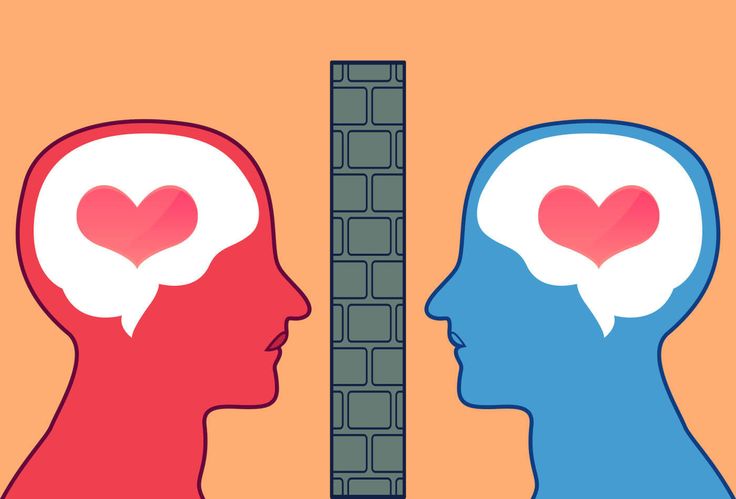

Boundaries are the invisible lines that define personal comfort, values, and limits. In relationships, healthy boundaries are essential for maintaining respect, trust, and emotional security. Without them, relationships can become unbalanced, draining, or even toxic.
In 2026, modern pressures such as digital intrusion, social media influence, and fast-paced lifestyles make boundary-setting more important than ever. This guide explores the role of boundaries, how to establish them, and why they are crucial for healthy love.
1. What Are Boundaries in Relationships?
Boundaries are:
- Limits on what is acceptable in words, actions, and behavior
- Guidelines for respecting personal space, time, and emotions
- Ways to communicate needs, values, and expectations
Healthy boundaries protect individuality while fostering connection, ensuring relationships remain respectful and mutually fulfilling.
2. Types of Boundaries
Boundaries can take multiple forms:
- Emotional Boundaries: Protect feelings and emotional energy
- Physical Boundaries: Respect personal space and touch preferences
- Time Boundaries: Manage schedules, alone time, and availability
- Digital Boundaries: Control social media interactions and online presence
- Financial Boundaries: Set limits on spending, shared resources, or lending
Understanding these types ensures a balanced and healthy relationship dynamic.
3. Why Boundaries Are Crucial
Boundaries in relationships:
- Prevent resentment and burnout
- Encourage respect and trust
- Support personal growth and independence
- Reduce misunderstandings and conflicts
- Enhance emotional intimacy
Without boundaries, love can become overwhelming, co-dependent, or unhealthy.
4. Signs Your Boundaries Are Weak
Indicators include:
- Feeling drained or unappreciated
- Constantly compromising your values
- Avoiding conflict out of fear
- Over-relying on your partner for emotional stability
- Experiencing frequent frustration or resentment
Recognizing these signs is the first step toward establishing stronger boundaries.
5. How to Set Healthy Boundaries
Steps to create boundaries:
- Identify your needs and values — Reflect on what is essential for your well-being
- Communicate clearly — Express limits respectfully and directly
- Be consistent — Uphold boundaries without wavering
- Listen to your partner — Encourage mutual understanding and respect
- Adjust when necessary — Life circumstances may require flexibility
Healthy boundaries foster mutual respect and trust, allowing both partners to thrive.
6. Boundaries and Conflict Management
Boundaries reduce conflict by:
- Clarifying expectations
- Preventing misunderstandings
- Minimizing emotional triggers
- Encouraging calm, respectful dialogue
- Providing a framework for compromise
Conflict becomes an opportunity for growth and connection, not tension and resentment.
7. Boundaries in Digital Life
Digital boundaries are especially critical in 2026:
- Set limits on texting, social media, and online interactions
- Discuss privacy preferences with your partner
- Avoid excessive monitoring or checking devices
- Respect each other’s digital space
Proper digital boundaries protect trust, independence, and emotional health.
8. Teaching by Example
Modeling healthy boundaries encourages your partner to do the same:
- Show respect for their limits
- Maintain your personal routines and hobbies
- Communicate needs without guilt
- Handle conflicts calmly and respectfully
Healthy boundaries are mutually reinforcing and strengthen the relationship.

You’ve Got Free Shipping
To Claim It😃, Share With Us:
What’s Your Favorite Design From TheDigitalCove‘s Collection?😍
🫦Make It Flashy🛒
9. When Boundaries Are Challenged
Challenges may arise when:
- One partner resists limits
- Old habits or insecurity interfere
- Life stress tests patience or consistency
Address challenges with empathy, clear communication, and mutual problem-solving. Seek counseling if necessary to maintain balance and harmony.
10. Final Thoughts
Boundaries are not barriers — they are the framework that allows love to flourish. In 2026, setting and respecting healthy boundaries protects emotional well-being, strengthens intimacy, and ensures relationships remain balanced and fulfilling. Strong boundaries create a safe environment where both partners can grow individually and together.
What To Explore Next:
- 7 Subtle Signs Of Manipulation & How To Protect Yourself

- Why Do I Get Attached So Fast to Someone I Barely Know? (Psychology Explained)

- Why You Want Clothes You Don’t Need | The Buying Psychology

- Chemistry Isn’t Compatibility (And Why Emotional Safety Isn’t Boring)

- Why Peaceful Love Feels Strange: Calm Relationships Take Time to Feel Right

- Love Deeply but Quietly: Why Strong Love Isn’t Always Loud

- How To Master Cost Per Wear Thinking: How Smart Buyers Make Better Purchases in 2026

- Only Want You When You’re Gone: Why Some People Desire You Too Late

- Replace or Keep Essentials: How to Decide When Items Have Earned Their Exit in 2026

- 14 Warning Signs People Ignore Because of Attraction | Romantic Red Flags

- Wants Something Serious: How to Tell If Someone Is Truly Interested in 2026

- Build a Personal Uniform: How to Create a Signature Style in 2026 Without Repetition

- Build Chemistry Without Rushing Intimacy: A Healthy Dating Guide for 2026

- Flirt Naturally: How Men and Women Can Show Attraction Without Being Cringe in 2026

- How To Choose the Perfect Essential T-Shirt: Fit, Fabric, and Smart Buying in 2026

- Dating Advice Men and Women Wish the Other Knew (Honest Relationship Insights)

- Foundation Wardrobe: Why Fewer Pieces Create Stronger Style in 2026

- Streetwear Wardrobe Essentials: A Capsule Guide to Intentional Style in 2026

- Top 5 Best Email Marketing Tools for 2026: Features, Pros, & Cons

- Spot Crypto Scams: How to Protect Your Money Like a Pro in 2026

- The Dark Psychology of Brands People Trust Without Knowing Why

Leave a Reply