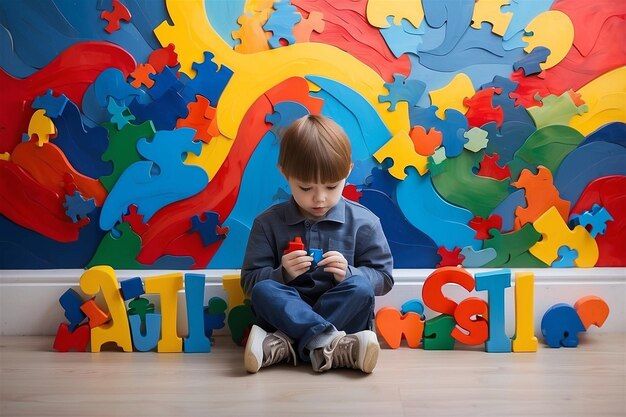
Home should be a place of safety, predictability, and comfort for every child. For autistic children, the home environment plays a critical role in emotional regulation, sensory comfort, and daily functioning. In 2026, autism-friendly homes focus less on perfection and more on adaptability, understanding, and respect for neurodivergent needs.
An autism-friendly home does not require expensive renovations. Small, intentional changes can make a powerful difference.
1. Prioritizing Predictability and Structure
Predictability reduces anxiety:
- Maintain consistent daily routines
- Use visual schedules for activities and transitions
- Prepare children in advance for changes
- Keep frequently used items in predictable locations
Structure helps autistic children feel secure and in control.
2. Designing Sensory-Supportive Spaces
Sensory comfort is essential:
- Identify sensory sensitivities (sound, light, texture)
- Use soft lighting instead of harsh overhead lights
- Reduce background noise when possible
- Offer sensory tools like weighted blankets or fidget items
A sensory-supportive space prevents overstimulation and distress.
3. Creating a Calm-Down or Regulation Area
A calm-down space supports emotional regulation:
- Choose a quiet, low-traffic area
- Include soft seating, pillows, or blankets
- Provide visual supports or calming visuals
- Allow the child to use the space freely without punishment
This space promotes self-regulation and emotional safety.
4. Supporting Communication at Home
Communication-friendly environments encourage expression:
- Use clear, direct language
- Incorporate visual supports such as picture cards
- Label common household items
- Encourage alternative communication methods when needed
Respecting communication differences builds confidence and trust.

You’ve Got Free Shipping
To Claim It😃, Share With Us:
What’s Your Favorite Design From TheDigitalCove‘s Collection?😍
🫦Make It Flashy🛒
5. Managing Transitions and Changes
Transitions can be challenging:
- Give countdown warnings before changes
- Use timers or visual cues
- Keep transition routines consistent
- Allow extra processing time
Smooth transitions reduce stress and emotional overload.
6. Autism-Friendly Bedrooms
Bedrooms should promote rest and regulation:
- Choose calming colors and textures
- Minimize clutter and visual noise
- Use consistent bedtime routines
- Address sensory needs related to sleep
Quality rest improves emotional regulation and focus.
7. Supporting Independence in Daily Tasks
An autism-friendly home encourages independence:
- Break tasks into clear, visual steps
- Store items at accessible heights
- Use labels or checklists for routines
- Celebrate progress without pressure
Independence builds self-esteem and autonomy.
8. Creating Inclusive Family Spaces
Shared spaces should feel welcoming:
- Respect sensory needs during family activities
- Offer quiet alternatives during gatherings
- Allow flexible participation in social interactions
- Avoid forcing eye contact or conversation
Inclusion means acceptance, not expectation.
9. Reducing Emotional and Sensory Overload
Prevent overload by:
- Limiting multitasking during stressful moments
- Keeping environments visually simple
- Allowing breaks during activities
- Recognizing early signs of overwhelm
Proactive support reduces meltdowns and emotional exhaustion.
Wrapped🎁in Comfort, Worn👚With Purpose
For many parents, choosing what their child wears is about comfort, safety, and feeling understood. Our autism-designed hoodies and T-shirts were created with that same care in mind. They are not about making a statement loudly, but about offering quiet reassurance. Soft, wearable pieces that allow you, your child, and even siblings to feel connected and supported in everyday moments.


Whether a design reflects pride, advocacy, or simple love, each piece can be worn by anyone in the family, adapting naturally to your shared story. By choosing these designs, you are gently standing alongside the autism community, supporting awareness, growth, and acceptance in a way that feels warm and protective rather than overwhelming. It’s a small choice that carries a lot of heart, wrapped in comfort and intention.
Final Thoughts
Creating an autism-friendly home in 2026 is about intentional design, emotional safety, and respect for neurodiversity. When homes adapt to autistic needs, children gain confidence, regulation skills, and a sense of belonging.
An autism-friendly home does not change the child.
It changes the environment to let the child thrive as they are.
What To Explore Next:
- 7 Subtle Signs Of Manipulation & How To Protect Yourself

- Why Do I Get Attached So Fast to Someone I Barely Know? (Psychology Explained)

- Why You Want Clothes You Don’t Need | The Buying Psychology

- Chemistry Isn’t Compatibility (And Why Emotional Safety Isn’t Boring)

- Why Peaceful Love Feels Strange: Calm Relationships Take Time to Feel Right

- Love Deeply but Quietly: Why Strong Love Isn’t Always Loud

- How To Master Cost Per Wear Thinking: How Smart Buyers Make Better Purchases in 2026

- Only Want You When You’re Gone: Why Some People Desire You Too Late

- Replace or Keep Essentials: How to Decide When Items Have Earned Their Exit in 2026

- 14 Warning Signs People Ignore Because of Attraction | Romantic Red Flags

Leave a Reply