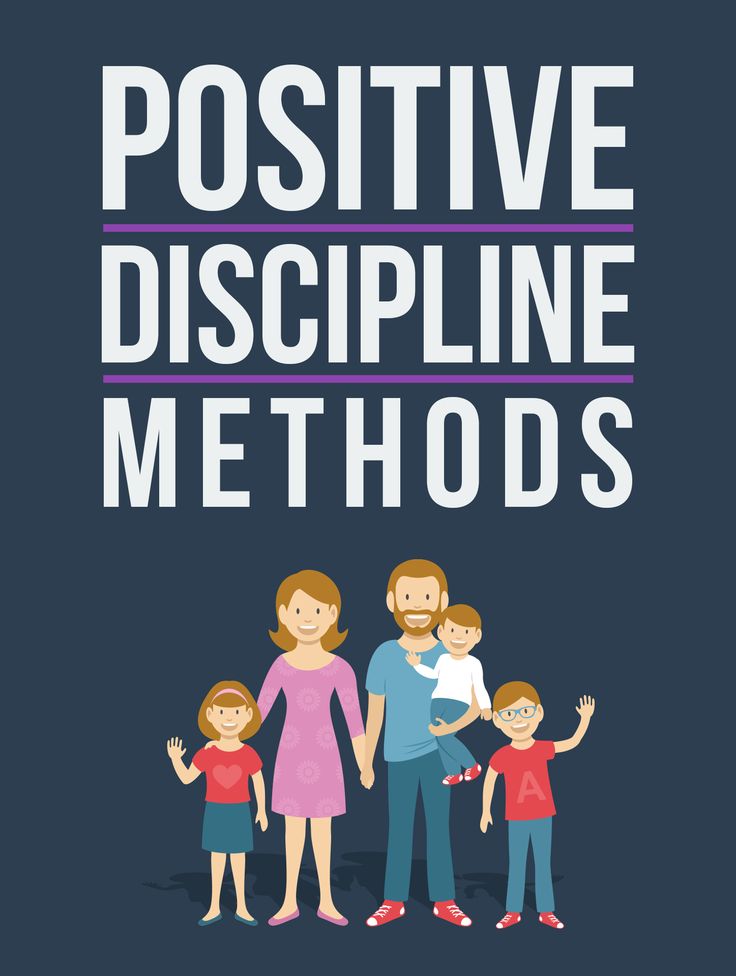

Discipline is not about punishment—it is about guiding children toward responsible behavior, empathy, and self-control. In 2026, with changing societal norms, digital distractions, and evolving family structures, effective discipline requires balance, consistency, and understanding.
Modern parenting emphasizes positive, growth-oriented strategies that help children learn from their mistakes while feeling secure and valued.
1. Understand the Purpose of Discipline
Discipline is intended to:
- Teach self-regulation and responsibility
- Encourage respect for others
- Promote problem-solving and decision-making skills
- Reinforce family values and boundaries
Effective discipline focuses on education rather than punishment, building lifelong skills.
2. Use Positive Reinforcement
Recognizing and rewarding good behavior is more effective than punishment:
- Praise specific actions (“I appreciate how you shared your toy”)
- Offer rewards strategically, not excessively
- Highlight effort and improvement rather than perfection
- Encourage intrinsic motivation alongside external reinforcement
Positive reinforcement encourages children to internalize responsible behavior.
3. Set Clear Expectations
Children need to know what is expected:
- Communicate rules clearly and consistently
- Ensure age-appropriate expectations
- Use simple, actionable language
- Reinforce understanding through examples or role-playing
Clear expectations reduce confusion and make discipline predictable and fair.
4. Establish Consistent Consequences
Consistency is key:
- Apply consequences promptly and calmly
- Ensure they are proportional to the behavior
- Avoid emotional outbursts that may confuse children
- Follow through on agreed-upon rules to maintain credibility
Consistency teaches accountability and trust in the parent-child relationship.
5. Encourage Problem-Solving
Children learn responsibility when involved in solutions:
- Ask them to suggest ways to make amends
- Discuss alternative choices and outcomes
- Use mistakes as teaching moments
- Guide reflection rather than imposing guilt
Problem-solving fosters critical thinking and self-regulation.
6. Avoid Harsh Punishment
Harsh punishment can harm emotional development:
- Physical punishment may increase aggression and anxiety
- Public shaming undermines self-esteem
- Excessive yelling reduces trust and emotional security
Focus on constructive guidance, empathy, and clear boundaries instead.
7. Time-In Instead of Time-Out
Modern parenting prefers “time-in” strategies:
- Use calm moments to discuss feelings and behavior
- Teach coping strategies like breathing or mindfulness
- Encourage reflection rather than isolation
- Promote understanding of emotions and consequences
Time-in strengthens emotional awareness and problem-solving.
8. Model Desired Behavior
Children imitate parental behavior:
- Demonstrate respect, patience, and conflict resolution
- Show calmness when addressing frustration
- Communicate and apologize when you make mistakes
- Reinforce family values through actions, not only words
Modeling behavior helps children internalize positive habits naturally.
9. Balance Discipline with Affection
Discipline works best when paired with love:
- Ensure children feel valued even when corrected
- Maintain physical and emotional connection
- Praise achievements and emotional growth regularly
- Build trust so discipline is seen as guidance, not rejection
Affection fosters secure attachment and openness to learning.
Final Thoughts
Effective discipline in 2026 emphasizes teaching, empathy, and consistency. By using positive reinforcement, clear expectations, problem-solving, and modeling, parents can guide children toward responsible behavior while nurturing emotional health. Modern discipline prepares children for life with confidence, respect, and self-control.
What To Explore Next:
- 7 Subtle Signs Of Manipulation & How To Protect Yourself

- Why Do I Get Attached So Fast to Someone I Barely Know? (Psychology Explained)

- Why You Want Clothes You Don’t Need | The Buying Psychology

- Chemistry Isn’t Compatibility (And Why Emotional Safety Isn’t Boring)

- Why Peaceful Love Feels Strange: Calm Relationships Take Time to Feel Right

- Love Deeply but Quietly: Why Strong Love Isn’t Always Loud

- How To Master Cost Per Wear Thinking: How Smart Buyers Make Better Purchases in 2026

- Only Want You When You’re Gone: Why Some People Desire You Too Late

- Replace or Keep Essentials: How to Decide When Items Have Earned Their Exit in 2026

- 14 Warning Signs People Ignore Because of Attraction | Romantic Red Flags

- Wants Something Serious: How to Tell If Someone Is Truly Interested in 2026

- Build a Personal Uniform: How to Create a Signature Style in 2026 Without Repetition

- Build Chemistry Without Rushing Intimacy: A Healthy Dating Guide for 2026

- Flirt Naturally: How Men and Women Can Show Attraction Without Being Cringe in 2026

- How To Choose the Perfect Essential T-Shirt: Fit, Fabric, and Smart Buying in 2026

- Dating Advice Men and Women Wish the Other Knew (Honest Relationship Insights)

- Foundation Wardrobe: Why Fewer Pieces Create Stronger Style in 2026

- Streetwear Wardrobe Essentials: A Capsule Guide to Intentional Style in 2026

- Top 5 Best Email Marketing Tools for 2026: Features, Pros, & Cons

Leave a Reply