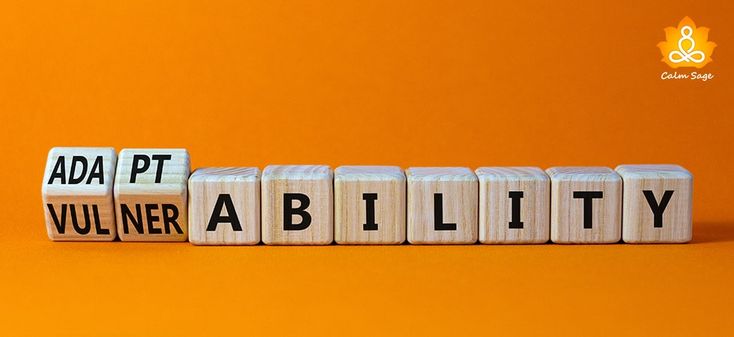

In 2026, relationships face new pressures — digital distractions, fast-paced lifestyles, and increasing emotional complexity. Amid these challenges, vulnerability has emerged as a crucial factor for building authentic and resilient connections.
Being vulnerable means sharing your true thoughts, feelings, fears, and desires without fear of judgment. Though often seen as risky, vulnerability fosters trust, empathy, and intimacy in relationships.
1. What Vulnerability Really Means
Vulnerability is not weakness. It involves:
- Emotional honesty: Expressing feelings openly
- Courage: Sharing fears, mistakes, and uncertainties
- Empathy: Listening and responding to your partner’s vulnerabilities
- Trust-building: Creating a safe environment for mutual openness
Vulnerability strengthens relationships by deepening understanding and emotional connection.
2. Why Vulnerability Matters in 2026
Modern relationships face:
- Short attention spans due to digital distractions
- Superficial social media interactions
- Emotional fatigue and miscommunication
- Fear of rejection or judgment
Vulnerability addresses these challenges by promoting authenticity and mutual trust, making relationships more resilient and emotionally satisfying.
3. Benefits of Practicing Vulnerability
- Deeper intimacy: Sharing feelings enhances closeness
- Stronger trust: Open communication reduces misunderstandings
- Emotional resilience: Expressing emotions reduces stress and tension
- Better conflict resolution: Honest dialogue leads to constructive solutions
- Personal growth: Encourages self-awareness and empathy
Vulnerable relationships create a safe space for growth, understanding, and love.
4. How to Be Vulnerable Safely
Step 1: Start Small
- Share minor thoughts, feelings, or insecurities first
- Gauge the response and adjust openness gradually
Step 2: Practice Active Listening
- Pay full attention when your partner is sharing
- Validate their feelings without judgment
- Ask clarifying questions to deepen understanding
Step 3: Express Your Needs Clearly
- Communicate expectations, desires, and concerns
- Avoid passive-aggressive behavior or assumptions
- Be direct but compassionate in expressing emotions
Step 4: Embrace Imperfection
- Accept that mistakes are part of human connection
- Be honest about fears and vulnerabilities without over-apologizing
- Allow emotional imperfection to create intimacy
Step 5: Set Boundaries
- Vulnerability does not mean oversharing or sacrificing self-respect
- Identify safe topics and contexts for emotional openness
- Protect yourself while building trust gradually
5. Vulnerability in Romantic Relationships
- Sharing dreams, fears, and insecurities strengthens emotional bonds
- Expressing love and appreciation openly deepens connection
- Resolving conflicts with honesty reduces resentment
- Vulnerable moments create shared understanding and mutual support
Couples who practice vulnerability report higher satisfaction, trust, and intimacy.
6. Vulnerability in Friendships
- Open conversations about struggles strengthen trust
- Sharing emotions and experiences enhances empathy
- Friends who are vulnerable create supportive, non-judgmental environments
- Vulnerability encourages deeper, long-lasting friendships
Authentic friendships are built on trust, emotional openness, and mutual respect.
7. Vulnerability in Family Relationships
- Parents and children benefit from emotional honesty and active listening
- Siblings can build stronger bonds through shared challenges
- Forgiveness and understanding flourish when vulnerability is practiced
- Family conflicts are resolved more constructively with honest dialogue
Vulnerability promotes intergenerational understanding and emotional safety.
8. Overcoming Fear of Vulnerability
- Acknowledge fears of rejection or judgment
- Practice vulnerability gradually with trusted individuals
- Reflect on past experiences to identify safe emotional spaces
- Celebrate successful vulnerable interactions to reinforce courage
Overcoming fear allows relationships to grow in depth, trust, and satisfaction.
Final Thoughts
Vulnerability is a cornerstone of strong relationships in 2026. By embracing emotional honesty, active listening, and safe openness, you foster trust, empathy, and intimacy. Vulnerability transforms superficial connections into deep, resilient, and meaningful relationships — the kind that last through challenges and thrive in joy.
What To Explore Next:
- Why You Want Clothes You Don’t Need | The Buying Psychology

- Chemistry Isn’t Compatibility (And Why Emotional Safety Isn’t Boring)

- Why Peaceful Love Feels Strange: Calm Relationships Take Time to Feel Right

- Love Deeply but Quietly: Why Strong Love Isn’t Always Loud

- How To Master Cost Per Wear Thinking: How Smart Buyers Make Better Purchases in 2026

- Only Want You When You’re Gone: Why Some People Desire You Too Late

- Replace or Keep Essentials: How to Decide When Items Have Earned Their Exit in 2026

- 14 Warning Signs People Ignore Because of Attraction | Romantic Red Flags

- Wants Something Serious: How to Tell If Someone Is Truly Interested in 2026

- Build a Personal Uniform: How to Create a Signature Style in 2026 Without Repetition

- Build Chemistry Without Rushing Intimacy: A Healthy Dating Guide for 2026

- Flirt Naturally: How Men and Women Can Show Attraction Without Being Cringe in 2026

- How To Choose the Perfect Essential T-Shirt: Fit, Fabric, and Smart Buying in 2026

- Dating Advice Men and Women Wish the Other Knew (Honest Relationship Insights)

- Foundation Wardrobe: Why Fewer Pieces Create Stronger Style in 2026

- Streetwear Wardrobe Essentials: A Capsule Guide to Intentional Style in 2026

- Top 5 Best Email Marketing Tools for 2026: Features, Pros, & Cons

- Spot Crypto Scams: How to Protect Your Money Like a Pro in 2026

- The Dark Psychology of Brands People Trust Without Knowing Why

- Emotional Safety Creates Attraction: Why It Matters More Than Looks

- Why Peace Feels Boring After Chaos | The Psychology of Emotional Addiction

- How to Flip Small Crypto Investments Into Big Gains in 2026 (Without Taking Dangerous Risks)

- Romantic Things That Mean More Than Grand Gestures in 2026 and Beyond

- Why Silence Is Perceived as Power | Psychology Explained

- Automate Crypto Trading: Beginner-Friendly Bots, AI Tools, and Smart Strategies for 2026

- Why Most Wardrobes Fail at the Middle Layer in 2026 (And How to Fix It)

- How to Be a Better Partner Without Losing Yourself: A Healthy Relationship Guide for 2026

- Simple Business Systems That Save Time and Increase Revenue

- How to Build Authority Without Saying You’re an Expert

- Provide Liquidity in De-Fi: A Step-by-Step Guide to Maximum Rewards in 2026

- Signs a Relationship Is Healthy: 15 Clear Indicators Even When It’s Not Perfect

- How to Get Consistent Website Traffic Without Paid Ads: Proven Strategies for 2026

- How to Start Trading Crypto Safely: A Step-by-Step Beginner’s Guide for 2026

- Dark Psychology in Relationships: How Hidden Influence Shapes Attraction and Power

- Green Flags in Dating: The Signs That Matter More Than Red Flags in 2026

- Build a Profitable Online Business: A Practical Step-by-Step Guide for 2026

- Master Dollar-Cost Averaging: A 2026 Guide to Building Long-Term Wealth

- Build Emotional Intimacy: How to Deepen Connection Without Rushing a Relationship

- Predictable Income vs Big Wins: Why Consistency Beats Luck in 2026

- Automated Savings System: A Step-by-Step Guide to Building One in 2026

- Write Trustworthy Reviews: How to Earn Real Credibility and Trust in 2026

- Analyze Crypto Coins Before Investing: Fundamental and Technical Guide for 2026

- Falling in Love or Just Attached? How to Tell the Difference Clearly

- Execution Over Inspiration: How Top Professionals Actually Work in 2026

- Quiet Affiliate Marketing: How to Build Trust and Conversions in 2026

- Romantic Habits That Strengthen Relationships Over Time (What Actually Works)

- Crypto Lending and Borrowing Safely: A Step-by-Step Guide for 2026

- Signs Someone Is Falling for You: How to Tell Without Them Saying It

- Workflows That Don’t Depend on Motivation: How to Work Consistently in 2026

- How Human Influence Shapes Decisions Without People Realizing It

- Use DeFi Yield Farming Safely: A Step-by-Step Guide for 2026

- Relationship Green Flags: Small Signs Someone Will Treat You Well

- How To Build Simple Systems That Scale Without Complexity in 2026

- How Human Influence Shapes Decisions | Psychology Explained

- How to Start Crypto Margin Trading Safely in 2026 (Step-by-Step Guide)

- ❤️ 10 Modern Dating Rules That Actually Make Sense in 2026
- Why Manipulators Target Empathetic People | Psychology Guide

- Doing Less, Finishing More Productivity Advantage in 2026

- Healthy Romance After Toxic Relationships: How to Trust Love Again

- How to Build a Balanced Crypto Portfolio in 2026 (Beginner’s Step-by-Step Guide)

- Streetwear Fit and Silhouettes: Why Shape Matters More Than Logos in 2026

Leave a Reply