Experiencing healthy love after toxic relationships can feel surprisingly uncomfortable at first. When someone has spent years in emotionally unstable or manipulative relationships, calm and respectful love may seem unfamiliar.
Instead of constant drama or emotional highs and lows, healthy relationships provide stability, trust, and open communication. However, adjusting to this new dynamic takes time because the mind may still expect conflict or emotional tension.
Understanding why healthy love after toxic relationships feels unusual can help people embrace peace, rebuild emotional trust, and learn to enjoy a healthier romantic connection.
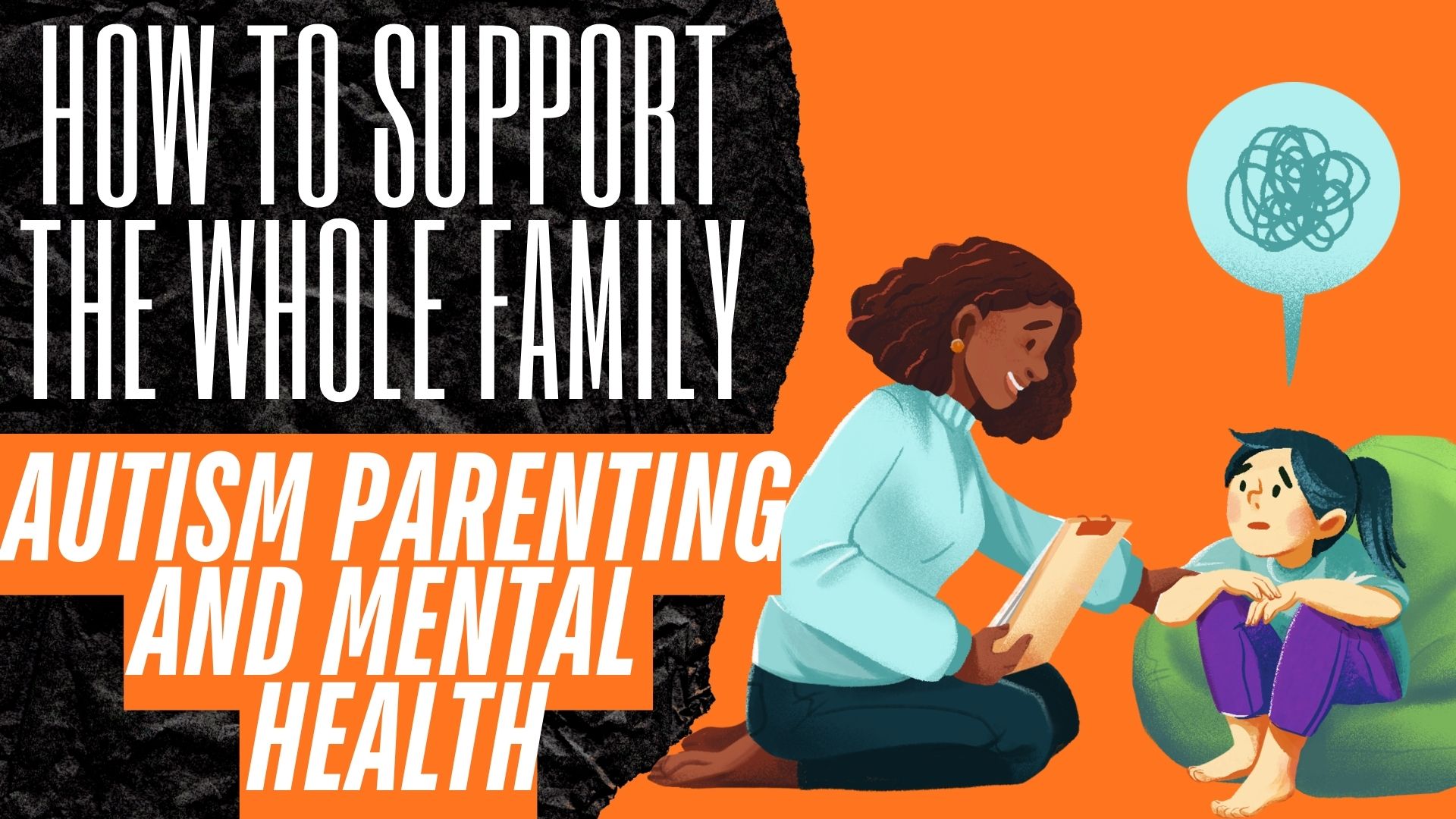
Parenting an autistic child impacts the emotional well-being of the entire family. In 2026, autism-informed care recognizes that mental health support should extend beyond the child to include parents, siblings, and caregivers.
When families prioritize emotional health, autistic children benefit from stability, understanding, and stronger connections.
1. Understanding Family-Wide Impact
Autism affects family dynamics in unique ways:
- Increased caregiving responsibilities
- Emotional stress from advocacy and education systems
- Social isolation due to misunderstanding
- Financial and time pressures
Acknowledging these realities reduces shame and encourages healthy coping strategies.
2. Supporting the Mental Health of Autistic Children
Autistic children may experience:
- Anxiety due to sensory overload or uncertainty
- Emotional fatigue from masking
- Difficulty expressing stress or emotions
Support strategies include:
- Predictable routines
- Safe spaces for regulation
- Emotional validation
- Access to autism-informed therapy
Mental health support focuses on reducing stress, not changing identity.
3. Parental Mental Health Matters

Parents often neglect their own well-being:
- Chronic stress can lead to burnout
- Guilt and self-blame are common
- Lack of rest impacts decision-making
Healthy parenting includes:
- Seeking peer or professional support
- Setting realistic expectations
- Taking breaks without guilt
- Recognizing personal limits
A regulated parent provides a safer emotional environment.
4. Supporting Siblings of Autistic Children
Siblings may experience:
- Confusion or resentment
- Feelings of invisibility
- Protective instincts
- Emotional maturity beyond their years
Support includes:
- Age-appropriate education about autism
- One-on-one time with parents
- Open conversations about emotions
- Validating their experiences
Healthy sibling support builds empathy and resilience.
👌Must Read
Build Strong Sibling Relationships: 10 Proven Secrets for Harmony in 2026
5. Reducing Family Stress Through Structure
Structure benefits mental health:
- Clear routines reduce uncertainty
- Visual schedules support predictability
- Shared responsibilities promote fairness
- Consistent communication prevents misunderstandings
Structure creates emotional safety for everyone.
6. Building Emotional Literacy at Home
Emotional literacy strengthens family bonds:
- Teach emotional vocabulary using visuals
- Normalize difficult emotions
- Model healthy emotional expression
- Encourage problem-solving conversations
Emotional literacy supports long-term mental resilience.
7. When to Seek Professional Mental Health Support
Consider professional support if:
- Chronic stress impacts daily functioning
- Anxiety or depression persists
- Family conflict escalates
- Emotional withdrawal becomes frequent
Seeking help is a strength, not a failure.
8. Creating a Support Network
Families thrive with support:
- Connect with autism-informed communities
- Educate extended family members
- Collaborate with educators and therapists
- Use respite care when available
Support networks reduce isolation and burnout.
9. Redefining Success and Expectations
Mental health improves when families:
- Release neurotypical benchmarks
- Celebrate individual progress
- Focus on well-being over performance
- Accept nonlinear development
Redefined success brings peace and clarity.
Final Thoughts
Supporting mental health in families raising autistic children in 2026 requires compassion, flexibility, and community. When families care for their emotional well-being, they create environments where autistic children and caregivers can thrive together.
A healthy family supports the child.
A supported child strengthens the family.
What To Explore Next:
- Why You Want Clothes You Don’t Need | The Buying Psychology

- Chemistry Isn’t Compatibility (And Why Emotional Safety Isn’t Boring)

- Why Peaceful Love Feels Strange: Calm Relationships Take Time to Feel Right

- Love Deeply but Quietly: Why Strong Love Isn’t Always Loud

- How To Master Cost Per Wear Thinking: How Smart Buyers Make Better Purchases in 2026

- Only Want You When You’re Gone: Why Some People Desire You Too Late

- Replace or Keep Essentials: How to Decide When Items Have Earned Their Exit in 2026

- 14 Warning Signs People Ignore Because of Attraction | Romantic Red Flags

- Wants Something Serious: How to Tell If Someone Is Truly Interested in 2026

- Build a Personal Uniform: How to Create a Signature Style in 2026 Without Repetition

- Build Chemistry Without Rushing Intimacy: A Healthy Dating Guide for 2026

- Flirt Naturally: How Men and Women Can Show Attraction Without Being Cringe in 2026

- How To Choose the Perfect Essential T-Shirt: Fit, Fabric, and Smart Buying in 2026

- Dating Advice Men and Women Wish the Other Knew (Honest Relationship Insights)

Leave a Reply